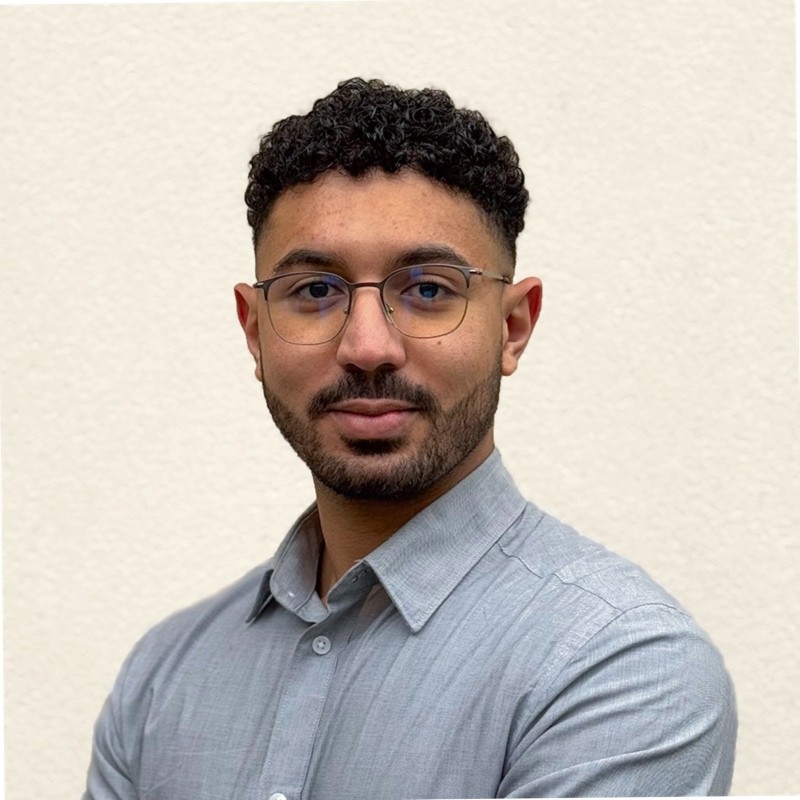
AI/ML Engineer · Sociacom
Greetings, traveler.

I’m Adnane Errazine, an AI/ML engineer at Sociacom and a strong advocate for open-source. I work on applied AI systems, retrieval, explainability, and software design.
- Agentic systems and advanced RAG
- SLM finetuning, RL, and multimodality
- Knowledge graphs and interpretability
- Software design for reliable AI systems
Writing
Blog
Framing Exploitation and Sycophancy: Two LLM Failure Modes That Function as a Soft Jailbreak
How asking LLMs differently unlocks what the model was holding back.

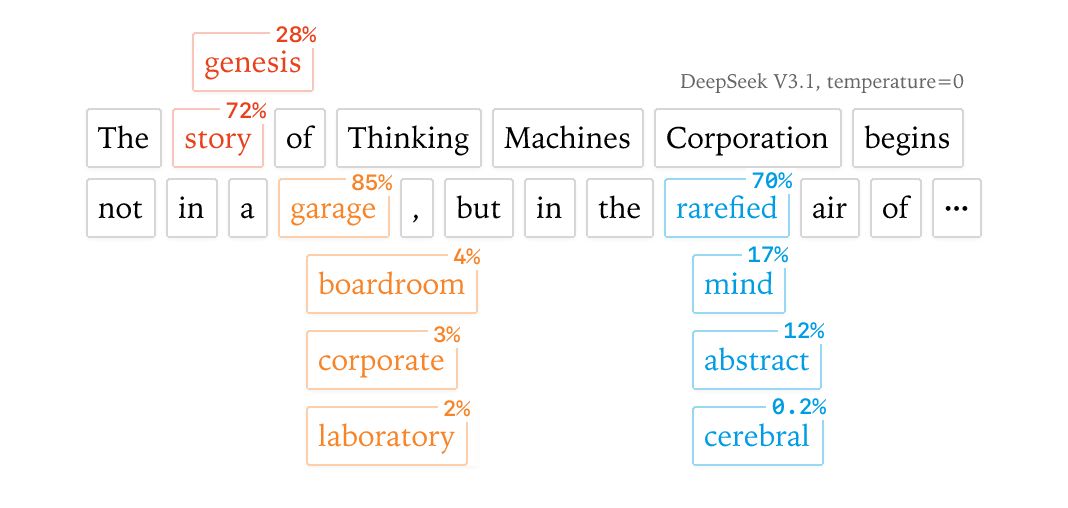
Defeating Nondeterminism in LLM Inference
A quick summary of why dynamic batching, not just floating point math and concurrency, explains user-visible variation.
Agents vs. Workflows: The Boundary Is Becoming a Spectrum
A non-technical reflection on why AI agents and workflows are converging into hybrid systems.
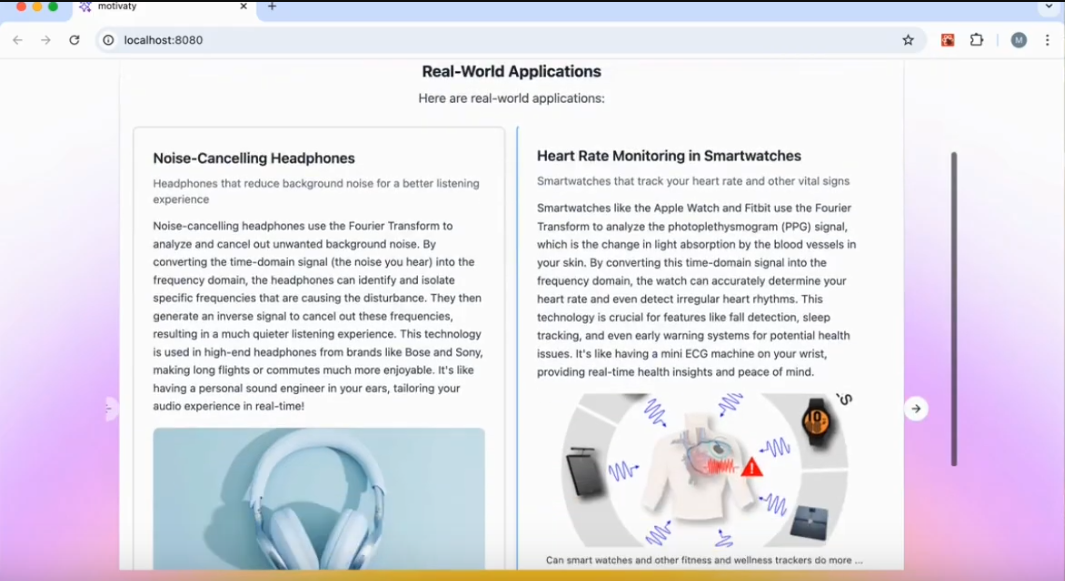
Motivaty: Making Math Matter
A hackathon build about turning abstract concepts into real-world motivation and practical learning paths.
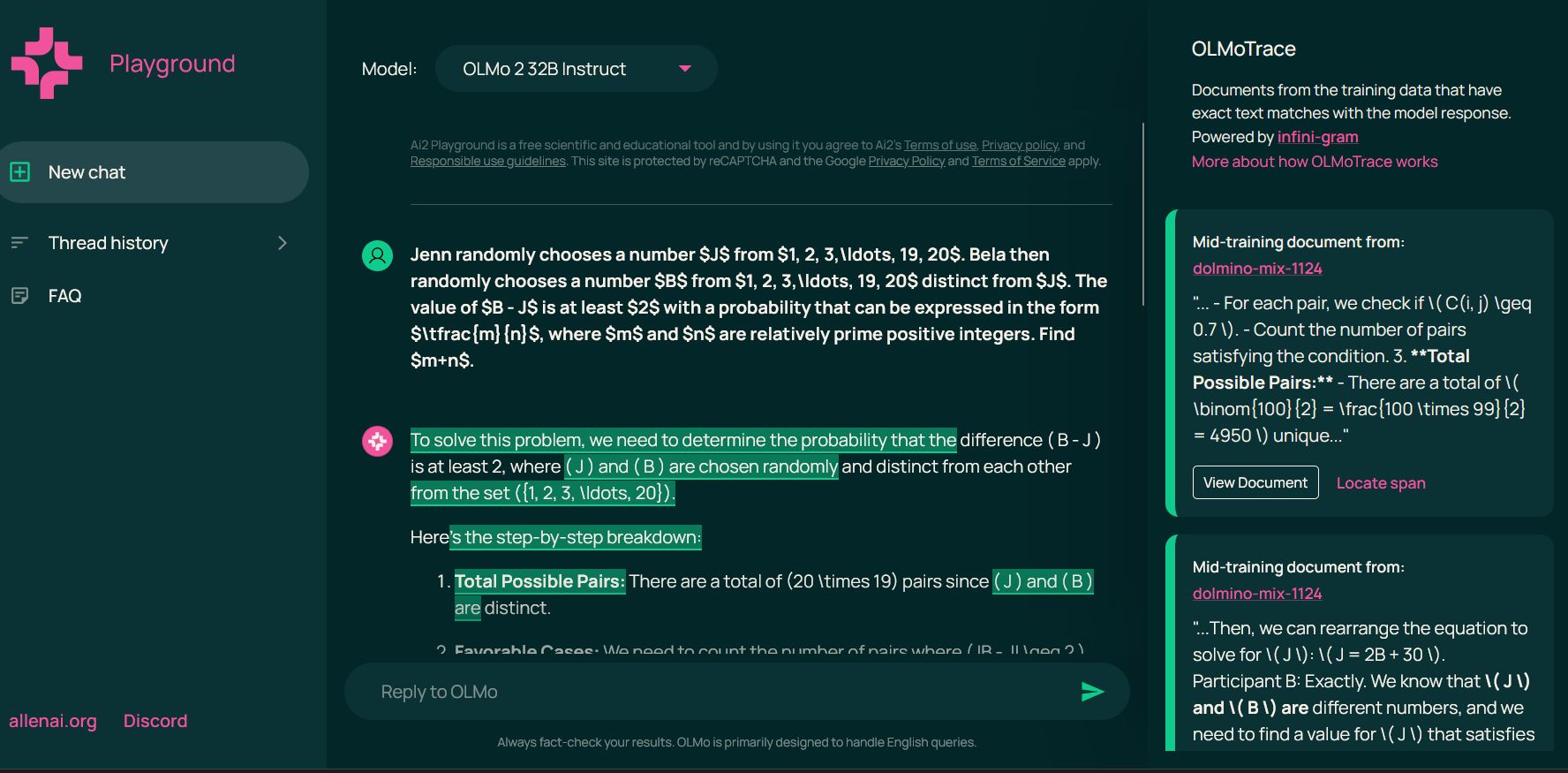
Tracing LLM outputs with AI2’s OLMoTrace
What becomes possible when model outputs can be traced back to their training data sources in seconds.
Open ideas
Ideas in the open
These are concepts I’m sharing in case they inspire your own work.
Take any of them and build. No permission needed.
If you ship something based on one and want to say hello, I’d enjoy a short note. That is optional. Email me at errazine.adnane@gmail.com, or use the links in Contact.
Multi-agent grounded stance retrieval for controversial ideas across the belief spectrum, with adversarial challenge on every claim
A multi-agent async system that maps any statement across a
continuous spectrum, from fully opposing to fully supporting,
rather than treating positions as binary. Each agent is
deliberately seeded toward the stance it defends, using
confirmation bias as a feature: the goal is to surface the
strongest possible evidence for each position. Challenging
ideas is not just allowed but the whole point.
The system distinguishes between agent-generated arguments and
real user contributions, so the source of any position is
always visible.
The hardest engineering problem is grounded retrieval. Every
claim must trace back to a real source: research papers, video
content, posts on X, legacy news channels, and other
documented evidence. No unsourced arguments. Users can push
back on any individual claim to retrieve counter-evidence on
demand.
Running on uncensored models is a hard requirement so that
legitimate but uncomfortable positions are not softened by
safety filters.
Part-time researcher
An app for open collaborative research projects where people can contribute part-time. Joining could be open or request-based, and progress could be shared publicly or kept semi-private depending on the project. The core idea is to make research collaboration more modular, more accessible, and easier to sustain outside traditional full-time structures.
Terminal-native SLM for command prediction and recovery
An extreme small language model fine-tuned on terminal commands, shell usage patterns, and failure recovery. The goal would be smarter command prediction, typo correction, and useful suggestions when a command fails, while still running locally on CPU or low-tier GPU hardware.